A Beginner’s Guide to Collecting Antique Glassware

Introduction: The Beauty of Antique Glass
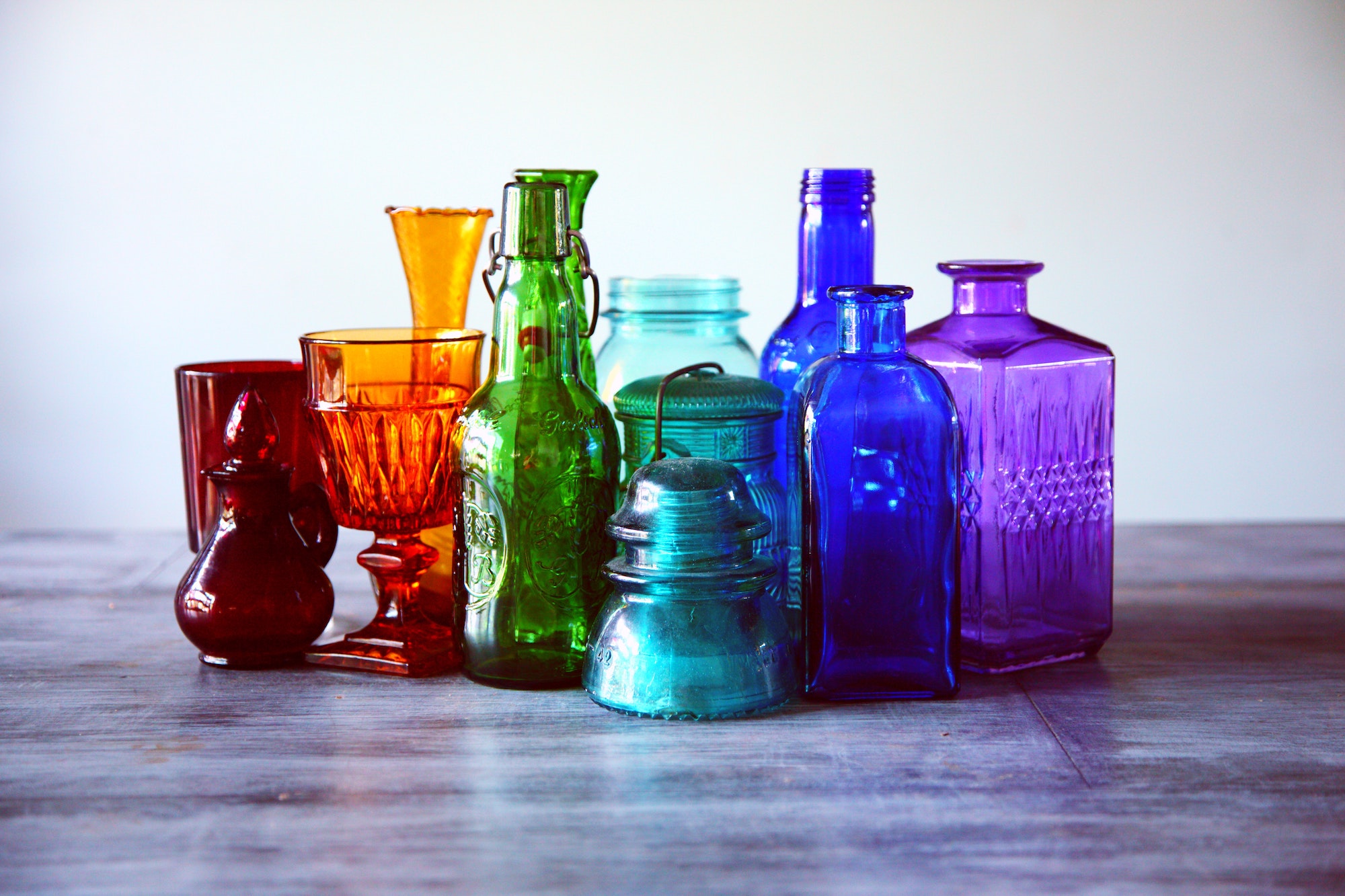
Antique glassware is more than decoration — it’s a glimpse into craftsmanship from bygone eras. Each piece tells a story through its shape, colour, and maker’s mark. Whether you’re drawn to Art Nouveau curves or mid-century simplicity, collecting antique glass can be a rewarding and eye-catching hobby.
1. Do Your Research
Before you start collecting, take time to learn the basics. Explore popular types of antique glassware such as:
- Depression Glass – Affordable, colourful glass made during the 1930s.
- Victorian Glass – Often ornate, with rich colours and intricate patterns.
- Art Nouveau Glass – Characterised by flowing, organic designs from the early 1900s.
Familiarise yourself with key manufacturers and design periods to help you spot genuine pieces and avoid reproductions.
2. Choose Your Focus
Successful collectors often specialise. Decide if you want to focus on a specific era, style, or maker — such as Fenton, Lalique, or Tiffany. Having a clear focus helps you curate a more cohesive and meaningful collection.
3. Shop Smart
Look for antique glassware at:
- Estate sales and flea markets
- Antique fairs and reputable dealers
- Online marketplaces with authentication options
Always inspect each item carefully for chips, cracks, and repairs. If possible, ask about the item’s provenance — its ownership and history can add significant value.
4. Know the Value
Understanding the value of your pieces is essential. Consult reference books, online databases, or professional appraisers to get accurate pricing. Factors that affect value include:
- Rarity
- Condition
- Colour and pattern
- Maker and age
Remember: rarity and condition often outweigh age alone.
5. Display with Care
Your antique glassware deserves to shine. Display it in a safe, well-lit space — such as a glass-fronted cabinet, floating shelves, or shadow boxes. Avoid overcrowding displays, as even small vibrations can cause delicate pieces to touch or fall.
6. Care for Your Collection
Handle antique glass gently and never clean it in a dishwasher. Use a soft cloth, mild detergent, and lukewarm water. Let each piece air dry on a padded towel. Avoid extreme temperatures, which can cause cracking.
7. Connect with Other Collectors
Join antique glass clubs, visit fairs, or connect in online communities. Engaging with other collectors is one of the best ways to learn, trade, and share knowledge.
Conclusion: Preserving Beauty and History
Collecting antique glassware is about more than ownership — it’s about preserving artistry from the past. With care, research, and a discerning eye, your collection can become a sparkling reflection of history and taste.